Protect Your Home From Montana's Toughest Seasons
Residential Roofing in Kalispell for homes exposed to heavy snow loads and extreme temperature swings
Flathead Valley Roofing installs and replaces residential roofing systems built to handle the conditions Montana throws at your home. You're looking at a roof that needs to carry wet snow through March, shed ice without trapping moisture, and flex through temperature shifts that can swing forty degrees in a single day. We work with homeowners throughout Kalispell who need roofing systems that perform under those demands without requiring constant attention.
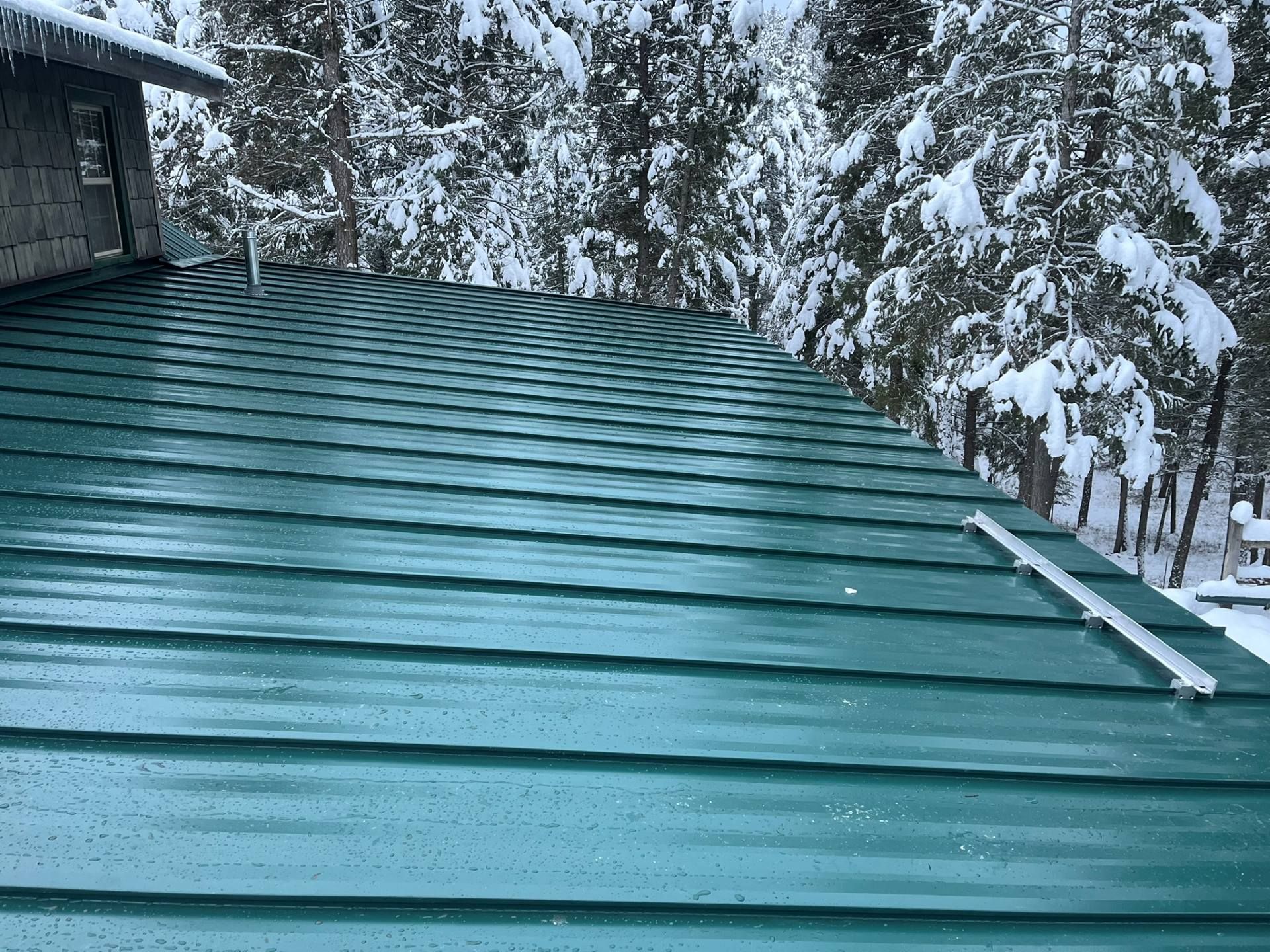
Your roof takes direct hits from wind-driven snow, ice dams that form along the eaves, and ultraviolet exposure during long summer days. We install architectural asphalt shingle systems and metal roofing designed to resist granule loss, prevent water infiltration at the valleys and penetrations, and maintain structural integrity when snow piles up. Ventilation and flashing are installed to manage moisture movement and temperature differentials that cause premature wear in poorly designed systems.
If your roof is losing granules, showing curled edges, or leaking near chimneys and skylights, reach out to discuss replacement options that match your home's exposure and your timeline.
You'll see the old shingles come off in sections, exposing the decking so we can check for soft spots, rot, or fastener withdrawal that happens when nails work loose over time. We inspect the sheathing, replace any compromised sections, and then install underlayment that seals against wind-driven moisture before the first shingle goes down.
When the work is finished, you'll notice clean lines along the ridge and rake edges, uniform shingle alignment across the field, and properly sealed flashing around every roof penetration. Flathead Valley Roofing ensures that water moves off the roof in the direction it's supposed to go, and that ventilation pathways allow air to flow from soffit to ridge without creating hot spots that cook the shingles from below.
The installation includes new drip edge, ice and water shield in vulnerable areas, and fasteners driven to the manufacturer's specifications. We don't overlay unless the decking and existing layer meet strict criteria, because adding weight without addressing underlying damage just delays the inevitable and hides problems that grow worse under cover.
What Homeowners Ask About Roofing Work
These questions come up often during consultations and site visits.
How long does a residential roof installation take?
Most residential roofs are completed in two to four days depending on size, pitch, and complexity, though weather in Kalispell can extend the schedule if snow or high wind moves in.
What happens to the old roofing material?
We remove it from the property entirely, along with any damaged decking, nails, and debris that accumulate during tear-off.
Why does metal roofing cost more upfront than asphalt shingles?
Metal panels require specialized fastening systems, additional underlayment, and precise fabrication at transitions and valleys, but they shed snow more effectively and typically outlast shingle systems by decades.
When should flashing be replaced?
Flashing gets replaced during every roof replacement because sealant degrades, metal fatigues, and old flashing rarely integrates cleanly with new roofing materials.
What does proper ventilation actually do?
It allows heat and moisture to escape from the attic space, preventing shingle degradation from underneath and reducing ice dam formation along the eaves during freeze-thaw cycles.
If you're weighing replacement options or need an assessment of your current roof's condition, contact Flathead Valley Roofing to schedule a consultation that covers material choices, installation timelines, and what your home specifically requires based on its age and exposure.