Stop Leaks Before They Spread
Roof Repair in Kalispell for active leaks, wind-damaged shingles, and failing flashing before interior damage worsens
Flathead Valley Roofing addresses roof leaks, damaged shingles, flashing failures, and storm damage that compromise your roof's ability to keep water out. You're seeing stains on the ceiling, water dripping into the attic after heavy rain, or shingles that have blown off and left the underlayment exposed. We work with homeowners and property managers throughout Kalispell who need prompt repairs to stop water intrusion before it damages insulation, framing, drywall, and electrical systems.
Roof damage escalates quickly once water finds a way in, especially during freeze-thaw cycles that expand cracks and loosen fasteners. A missing shingle allows water to reach the underlayment, which then fails under repeated exposure. Flashing that has pulled away from a chimney or skylight creates a direct path for moisture to enter the structure. We locate the source of the leak, remove damaged material, and install new components that integrate with the existing roof system to restore weathertight protection.
If you're dealing with a leak, missing shingles, or visible damage after a storm, contact us to schedule a repair before the problem spreads further into the building envelope.
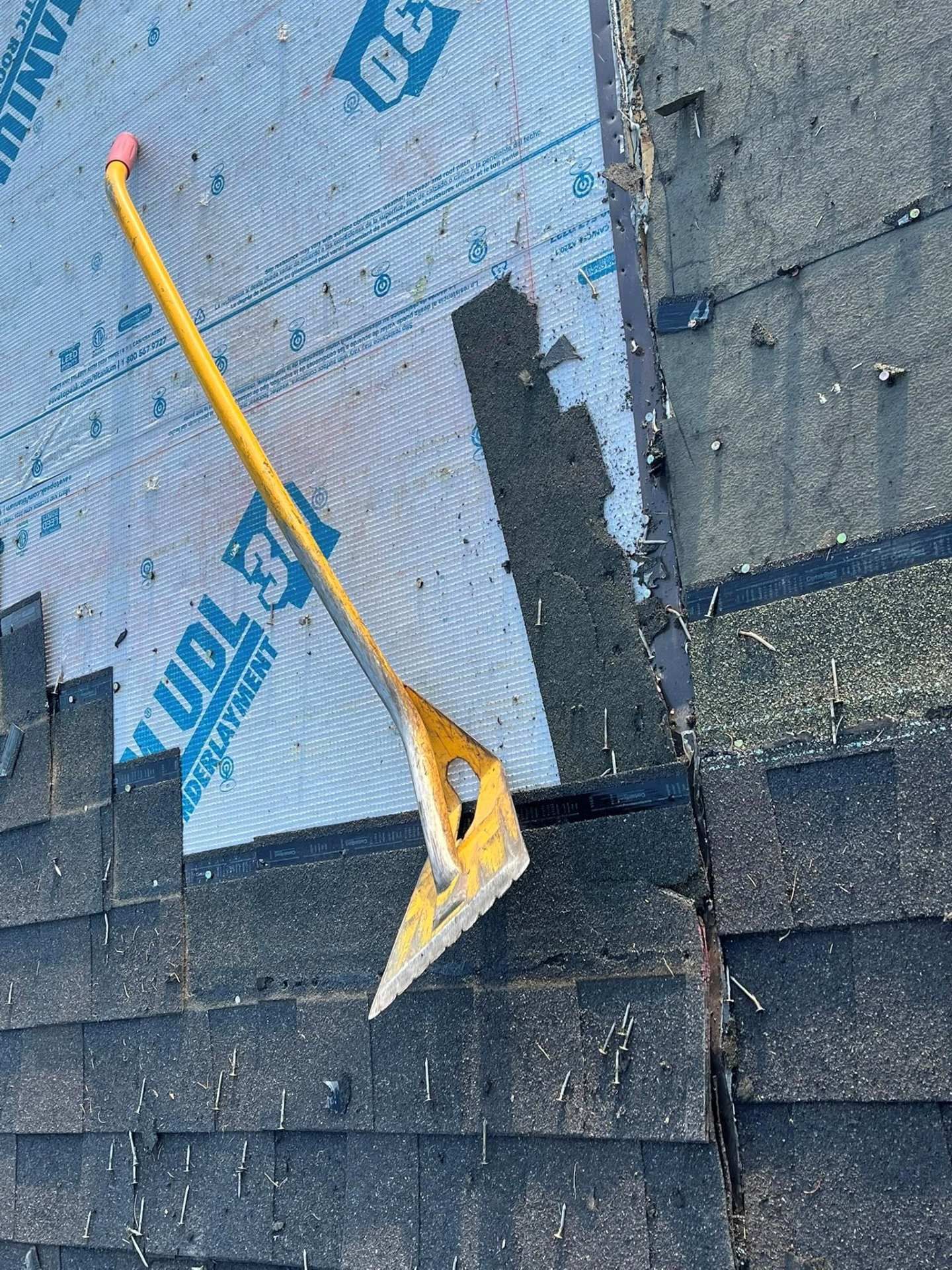
You'll see the crew identify the damaged area, remove the affected shingles or flashing, and inspect the underlayment and decking for water infiltration that may have gone unnoticed. We trace the leak to its source, which is often upslope from where the water appears inside, because water travels along rafters and sheeting before dripping through.
Once the repair is complete, you'll notice that the new shingles match the existing roof in color and profile, and that flashing is sealed and fastened properly to prevent future leaks. Flathead Valley Roofing uses materials that integrate with your current system and follows installation methods that maintain the roof's overall integrity, so the repair doesn't become a weak point that fails again during the next weather event.
We also address damage from ice dams, hail impact, and wind uplift, replacing shingles that have been cracked or torn and reinforcing areas where fasteners have pulled loose. Repairs are not a permanent solution for a roof that's nearing the end of its life, but they extend the service life of a roof that's otherwise sound and buy time for planned replacement.
What Homeowners Ask About Repairs
These questions help clarify when repair makes sense and what it involves.
How do I know if repair is enough or if I need replacement?
If damage is localized to a small area and the rest of the roof is in good condition, repair is usually sufficient, but widespread damage or a roof older than twenty years often justifies replacement instead.
What causes flashing to fail?
Sealant degrades from ultraviolet exposure and temperature cycling, metal fatigues and corrodes, and fasteners back out over time, all of which allow water to penetrate at roof transitions and penetrations.
When should I call for a repair?
As soon as you notice a leak, missing shingles, or visible damage, because delaying allows water to soak deeper into the structure and increases repair costs.
Why do leaks sometimes reappear after repair?
If the source wasn't accurately identified, or if underlying damage wasn't addressed, water will continue to find entry points, which is why proper diagnosis during the initial repair is critical in Kalispell's wet spring conditions.
What does storm damage repair include?
Replacing wind-torn or hail-damaged shingles, resetting lifted flashing, and addressing any punctures or impact damage that compromise the roof's weatherproof barrier.
If you're uncertain about the extent of the damage or whether repair will solve the problem, reach out to Flathead Valley Roofing for an inspection that identifies the cause and recommends the most cost-effective solution.